
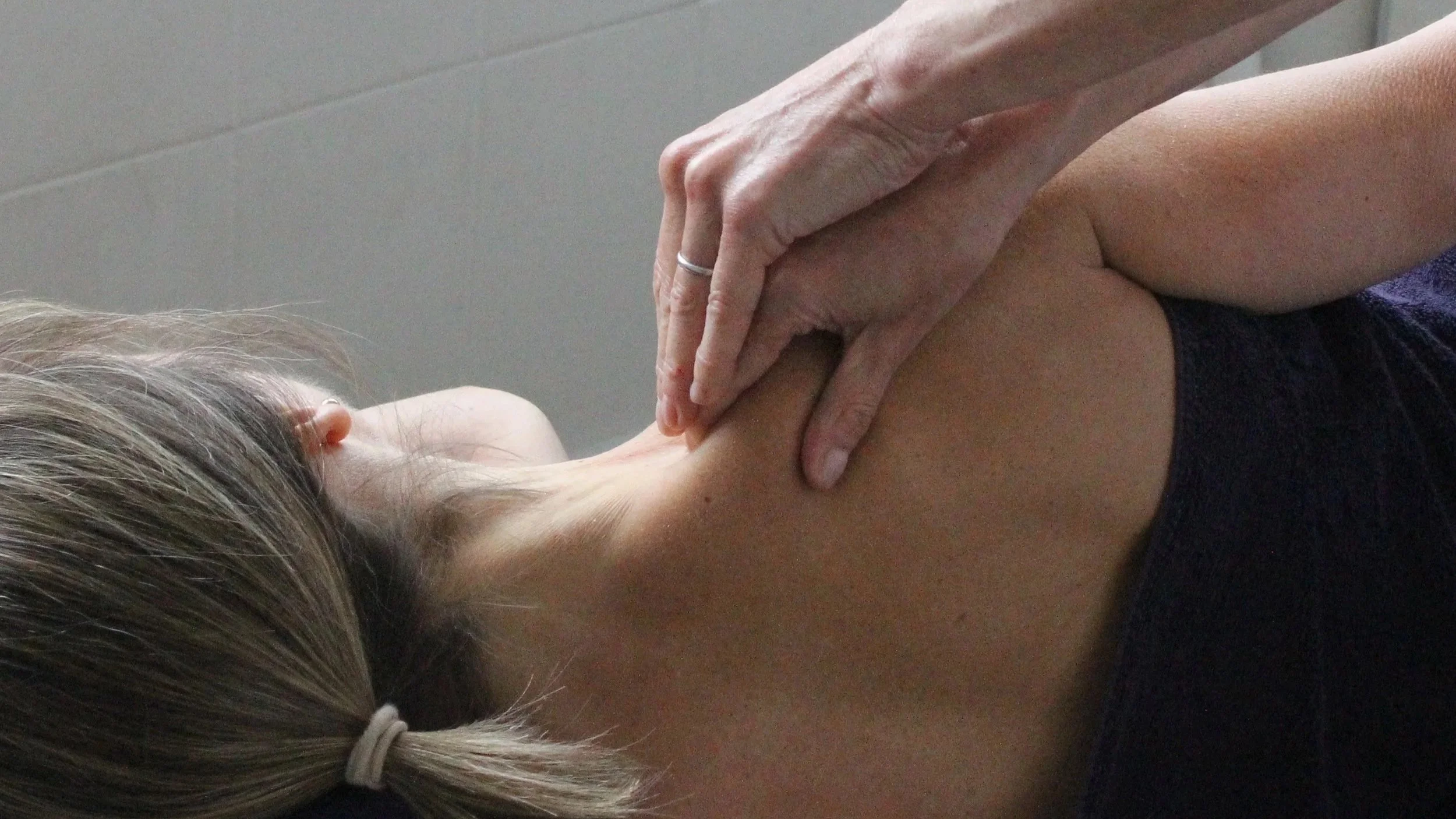
The Level 5
Soft Tissue Therapy
Our qualification is spilt over 5 weekends focusing on developing more advanced assessment and treatment techniques, underpinned by a higher level of anatomy knowledge, taught in face-to-face classes and guided home practice outside the classroom.
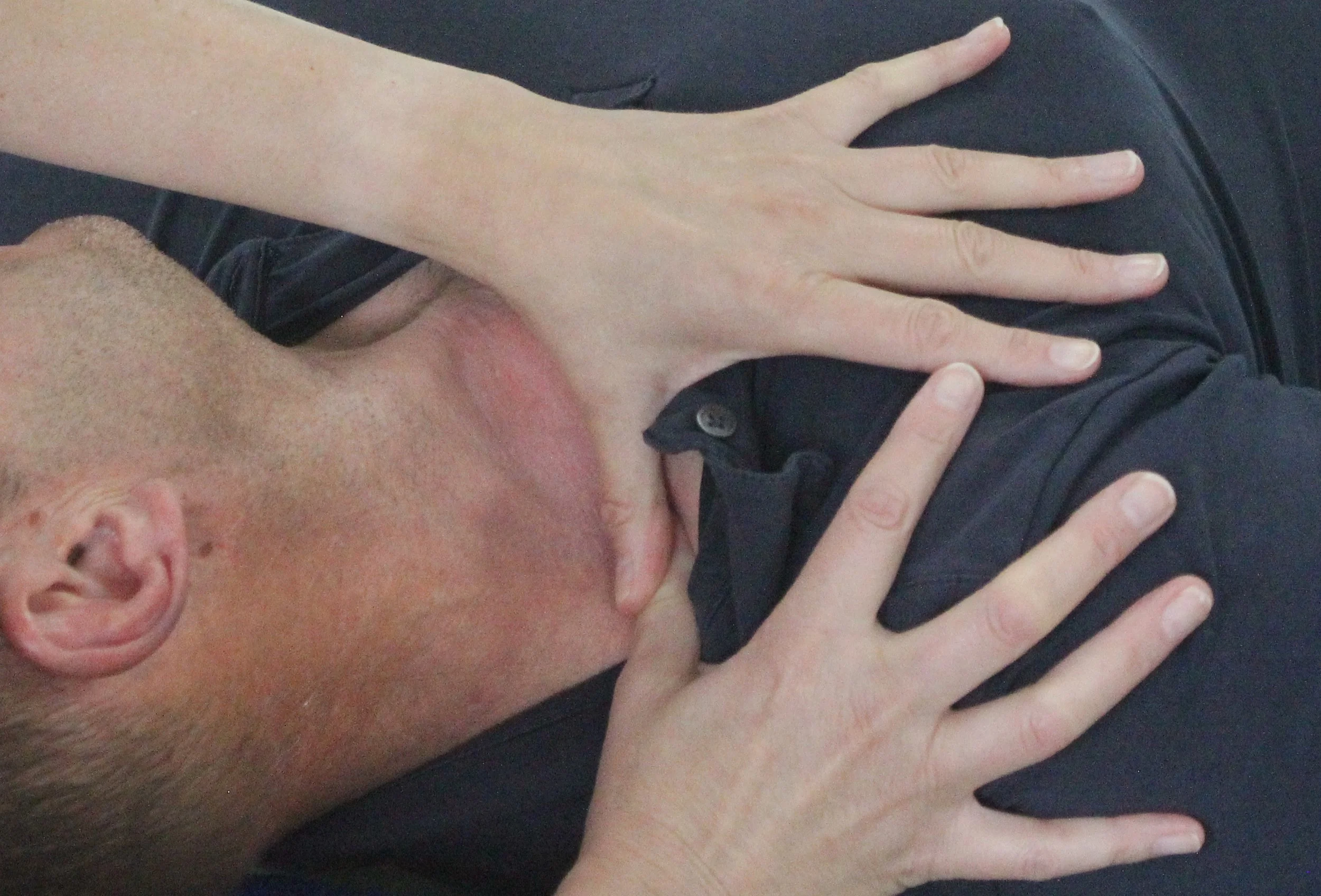
5 weekend workshops
These can be done consecutively or as stand alone CPD - taken at any time, in any order. You just have to complete all of them to gain your Level 5 certificate.
Saturday and Sunday 10am to 5pm, combining theory and practical subjects with closely supervised classroom practice.
Assessments
A final practical exam will take place to gain your level 5 qualification.
Coursework and Case Studies
2 written assignments. These can be done from anywhere using our online system. The average student should allow about 5 hours a week to complete them. Although we make allowances for non-English students and those with learning difficulties all assignments must be completed in English.
We provide guidance and advice on how to achieve good results and offer extra help and support if necessary.
Coursework (home-study) assignments and case studies are delivered online directly to students by STTQ and assessed by independent STTQ markers within a moderated quality assurance system to ensure consistency and fairness.
3 Case Studies to be completed towards the end of the course.
Course cost
£1450.00
Full Payment (or £325 Deposit + 4 monthly payments of £284= £1461)
Flexible payment options available. Please contact us to discuss your options.
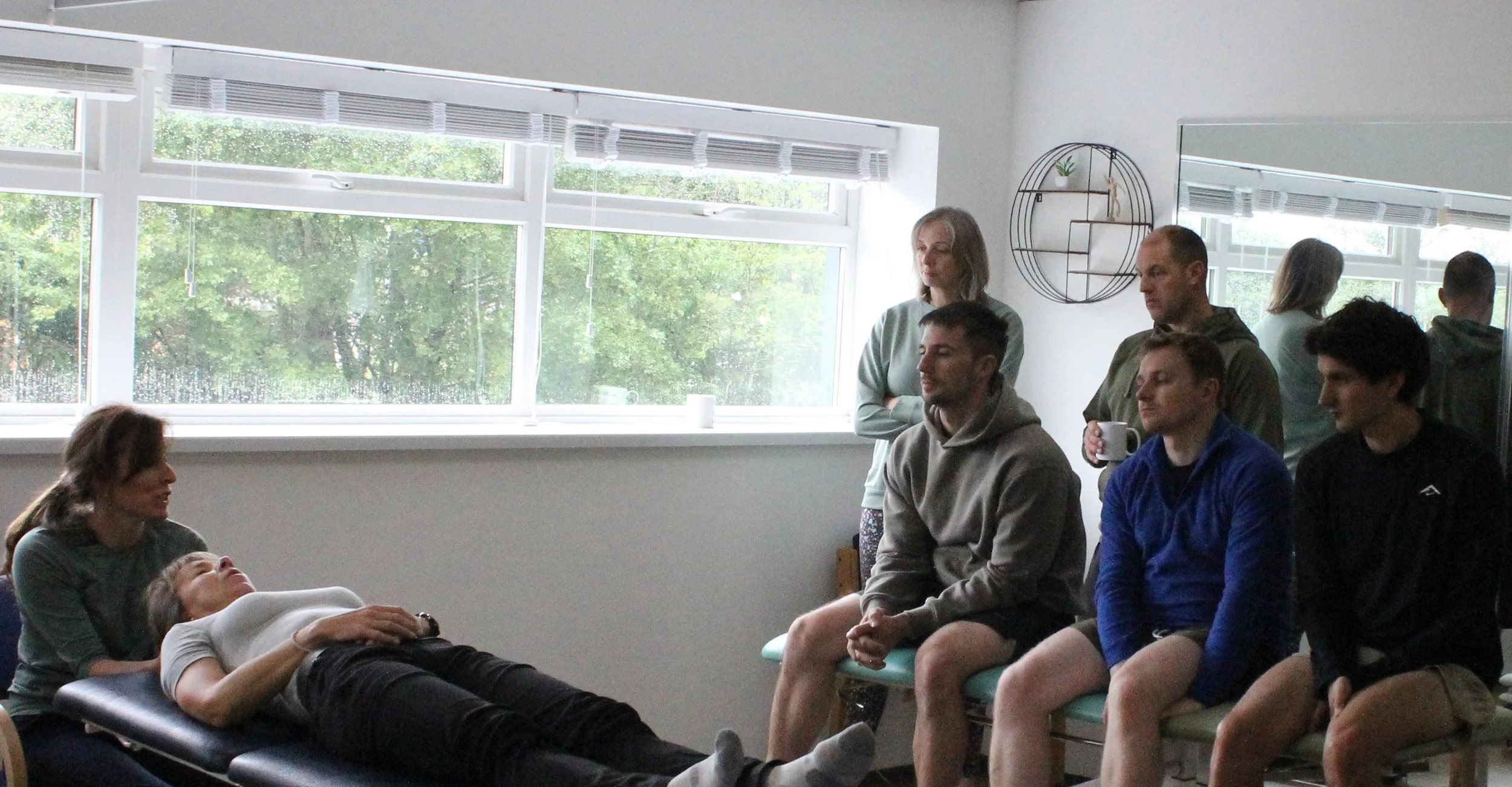
Level 5 Course objectives:
Revision and further anatomy study to gain a deeper understanding of the biomechanics of injury.
Apply objective tests to assess joint range of movement & restrictions that cause muscular imbalance and injury.
Use clinical reasoning to design a treatment plan.
To be able to carry out thorough manual clinical treatments using advanced techniques.
Be able to provide a range of remedial exercises to restore motor control, mobility and improve muscular function.